Continuous Balance Sheet Reconciliation, Not the Month-End Excavation
How continuous balance sheet reconciliation through the month turns the general ledger close from an excavation into a roll-forward.

Most close post-mortems blame the wrong thing. The reviewer was slow, the accruals were late, the auditors asked for one more schedule. The real culprit is usually quieter and larger: a backlog of unreconciled balance sheet accounts that nobody touched for thirty days, now demanding to be excavated all at once. Continuous balance sheet reconciliation — reconciling accounts as activity happens rather than after the period locks — is the single largest lever most finance teams leave unpulled. It is also the difference between a close that rolls forward and a close that gets dug out.
The hidden cost of batching
Batching reconciliation at month-end feels efficient. It is not. A balance you have not looked at in 30 days carries 30 days of accumulated drift — a duplicated vendor payment, a misposted payroll tax, a prepaid that should have amortized. By the time you open the account on day three of the close, you are not reconciling. You are investigating.
The cost compounds in two directions. First, time: a reconciliation that takes ten minutes when the transaction is fresh takes two hours when you are reverse-engineering a number from memory and a bank statement. Second, risk. The PCAOB's own inspection findings repeatedly cite reconciliation and management-review controls as a leading source of audit deficiencies. Small, ignored errors are exactly how immaterial mistakes become material misstatements — the SEC's own Staff Accounting Bulletin 99 warns against waving off small errors precisely because they aggregate.
Every account, every month, no exceptions
The first discipline is unglamorous: reconcile every balance sheet account every month, including the boring ones. The low-activity accounts — the security deposit that has not moved in a year, the long-term accrual, the intercompany clearing account — are where errors hide longest, because nobody is watching them.
A clearing account that should net to zero and quietly carries a $4,000 balance is not a rounding issue. It is two transactions that never matched, and the longer it sits, the harder the trail is to follow. The exception list is the problem. The moment you decide an account is "too small to bother with," you have created the conditions for the misstatement you will explain to the audit committee next year. This is as much an operations problem as an accounting one — the failure is in the workflow, not the ledger.
What continuous actually looks like
Continuous reconciliation is not a tool you buy. It is a set of operating habits that move the work upstream, off the critical path. Four of them carry most of the weight.
Accounts receivable, weekly
Reconcile AR against the subledger weekly, not monthly. A weekly cadence keeps the aging honest, catches misapplied cash while the customer still remembers paying, and means your revenue picture is never more than five business days stale. This pairs directly with transaction cutoff discipline — clean cutoff is wasted if the receivables behind it drift for three weeks before anyone checks them.
Bills coded the day they arrive
The accounts payable backlog is self-inflicted. A bill coded the day it lands — to the right GL account, the right cost center, the right period — never becomes a month-end scramble. Tools like Bill.com and Ramp exist largely to make same-day coding the default rather than the exception; we've weighed the trade-offs across the broader tooling landscape elsewhere. The point is not the software; it is that AP stops being a pile you process at month-end and becomes a stream you clear daily.
Payroll integrated, not pasted
Copy-pasting a payroll summary from your provider's PDF into a journal entry is where errors breed. Manual re-keying of employer taxes and benefit splits produces the classic clearing-account residue nobody can explain. Modern providers — Gusto, Rippling, QuickBooks Payroll — push journal entries directly into the general ledger, account by account. Integrate it. A reconciled payroll account is one you never have to reverse-engineer from a summary.
Bank reconciliation by rule
This is the highest-leverage automation available. Bank feeds plus matching rules turn what used to be a multi-hour month-end task into a daily glance. A rule that auto-matches the recurring AWS charge or the standard payroll debit means the only items you ever look at are genuine exceptions. Teams that move from manual bank rec to rules-based matching routinely cut the task from hours to minutes — and they do it continuously, so there is nothing to catch up on when the period closes.
Roll-forward, not excavation
Here is the structural shift. When every account is current, the month-end close stops being an excavation and becomes a roll-forward. You are not opening 40 accounts to find out what they contain. You are confirming that 40 already-reconciled accounts moved as expected, documenting the few that did not, and signing off.
That is the close most teams claim to want and few achieve. It is also the mechanism behind the broader argument we made in how to shorten the month-end close without adding headcount: you do not speed up the close by working faster in those five days. You speed it up by removing work from those five days entirely. Continuous reconciliation and a day-by-day close calendar are the two halves of the same idea — distribute the work so the critical path is short.
Decision-ready, not just audit-ready
The reason this matters beyond the close is the part most teams miss. Books reconciled continuously are not merely audit-ready once a month. They are decision-ready every day.
When AR is reconciled weekly and bank feeds match by rule, the cash position you pull on the 14th is real, not a stale estimate waiting for month-end cleanup. That is the gap between a static report and live data — the difference between deciding off what the books said three weeks ago and what they say right now. Continuously reconciled books are the precondition for real-time visibility; you cannot trust live numbers if the underlying accounts are 29 days out of date.
The teams that close fast and decide well are not the ones with more people. They are the ones who stopped batching. For finance leaders weighing where reconciliation lives in their stack, it's worth seeing how a continuously reconciled ledger feeds live decisions rather than month-end ones.
The excavation is a choice. So is the roll-forward.
More in this series
- How to Shorten the Month-End Close Process Without Adding Headcount
- Transaction Cutoff Discipline Is Where the Fast Close Is Won
- Continuous Balance Sheet Reconciliation, Not the Month-End Excavation
- The Day-by-Day Close Calendar That Breaks the Reviewer Bottleneck
The Briefing
One email a week. No filler. No fluff.
Read by CFOs, founders, and finance operators at high-growth companies.
Continue reading

REVENUE
Why ARR and recognized revenue never tie out.
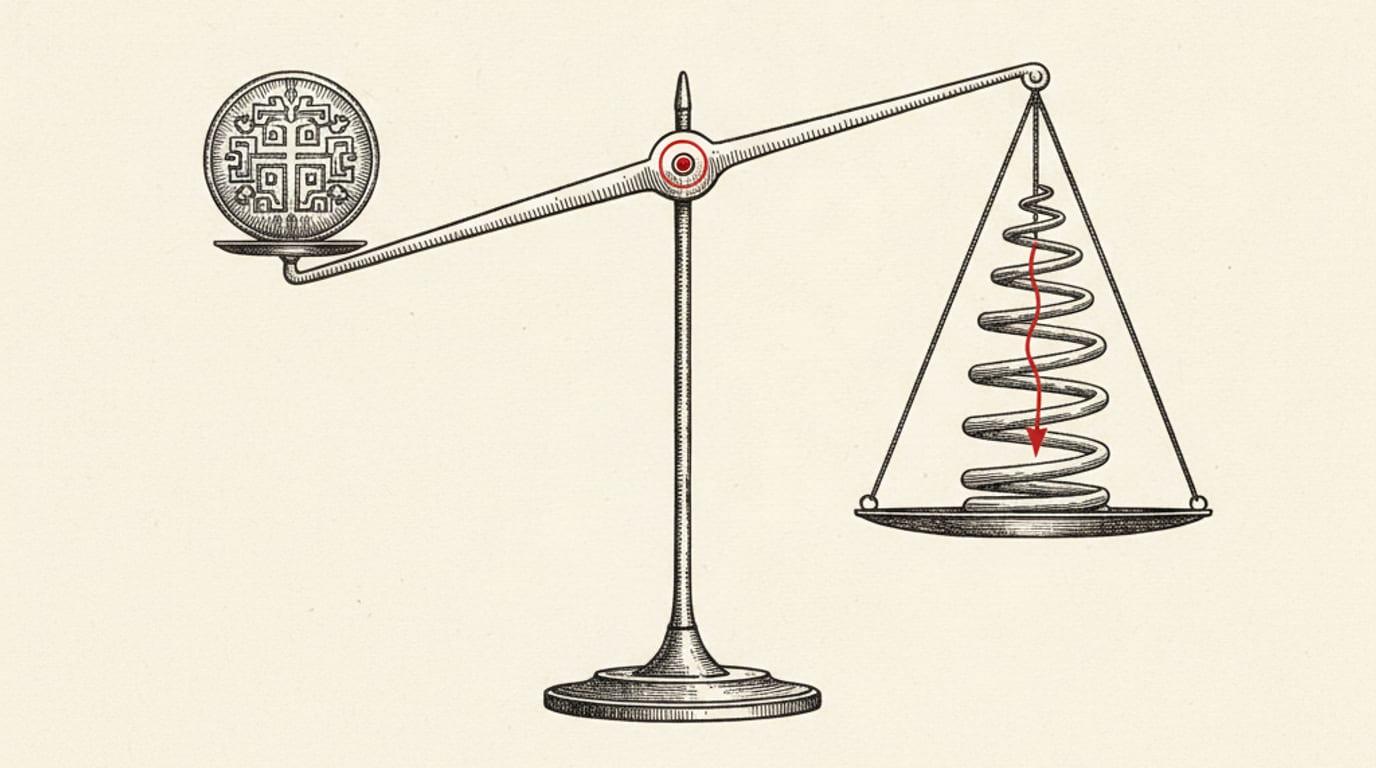
The board deck says one number, the income statement says a lower one, and the CEO wants to know who is wrong. Neither is: here is why ARR and recognized revenue never tie out, and the bridge that explains the gap instead of chasing it.
EFFICIENCY
Reading the Rule of 40 and CAC payback together.
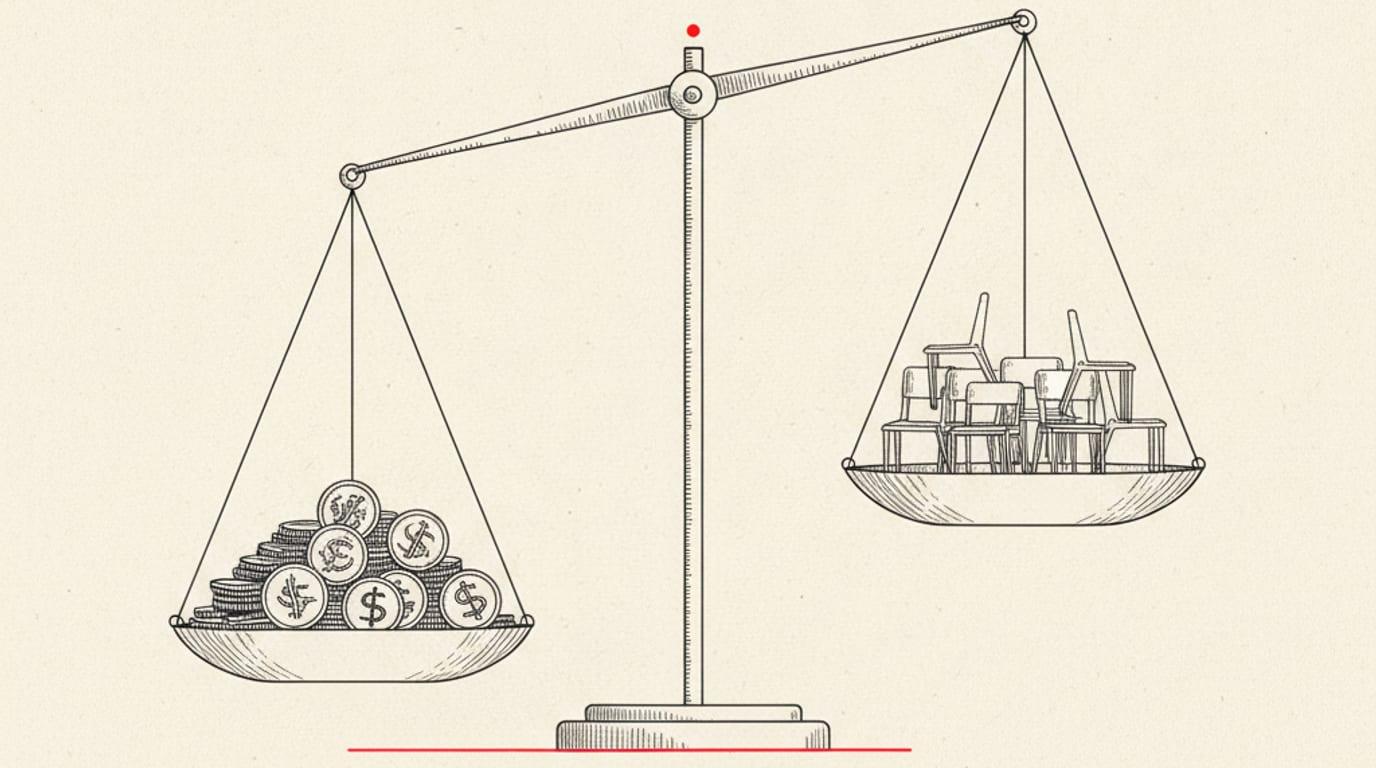
Growth and burn are a single trade-off, not two metrics. Reading the Rule of 40 and CAC payback together shows whether the efficiency your board demands is real or borrowed from next quarter.
The Hiring Ledger
Headcount Planning That Protects Runway, Not Just Records Hires
A CFO-level framework for headcount planning that protects runway by tying every approved role to fully-burdened cost, ramp, and a specific revenue driver before the offer goes out.